Fingerprint or face recognition? Choosing the right lock for your home
Both take the key out of your pocket, but they do not suit every door or every family equally. We compared them on speed, sunlight, children, batteries and budget.
Most families who visit our showroom start with the same question: fingerprint or face recognition? The short answer depends on your door and the people living behind it. The long answer is below.
How they work
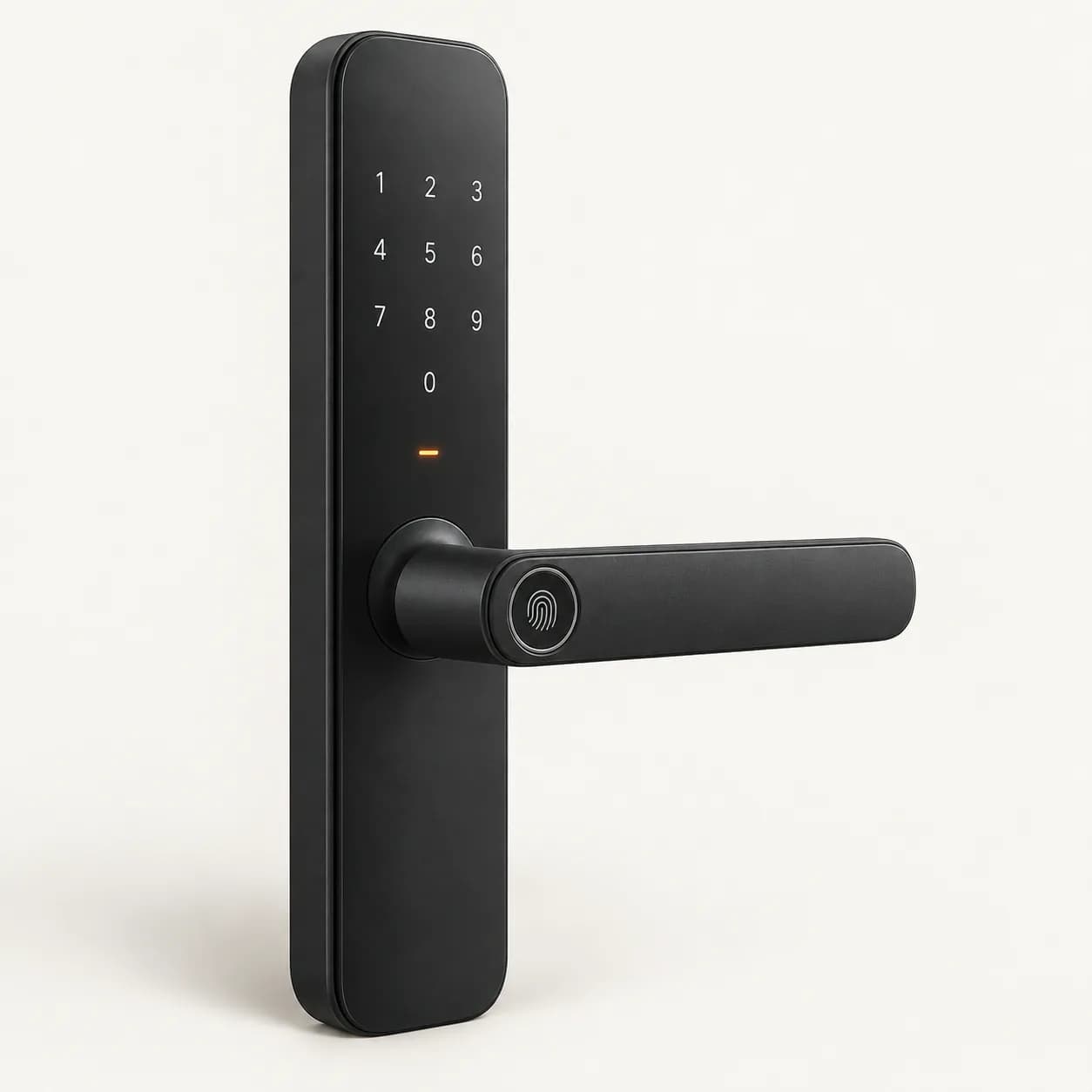
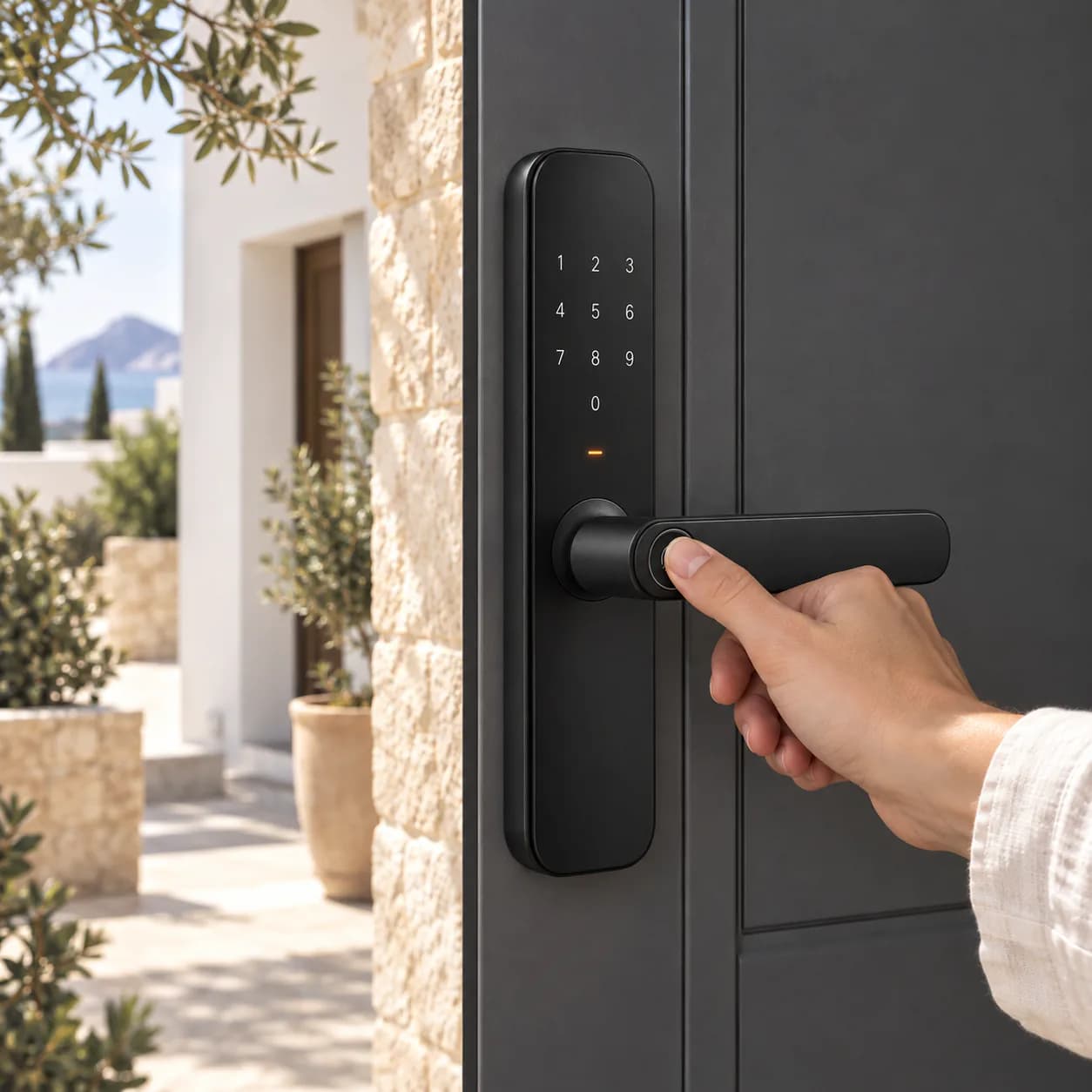
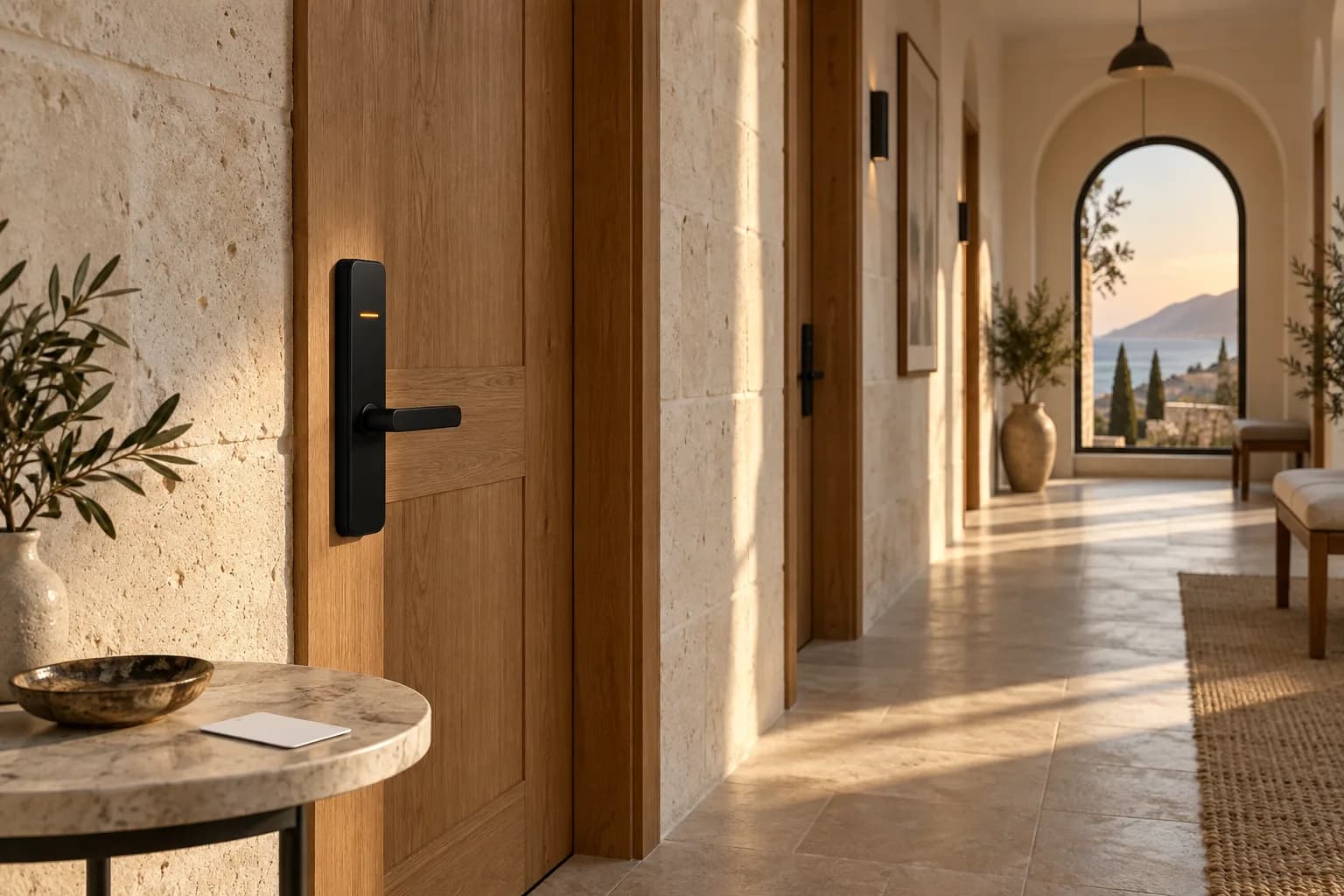
A fingerprint reader scans the pattern of your finger and compares it with templates stored in the lock. A good sensor does this in 0.3 seconds and stores around 100 fingerprints.
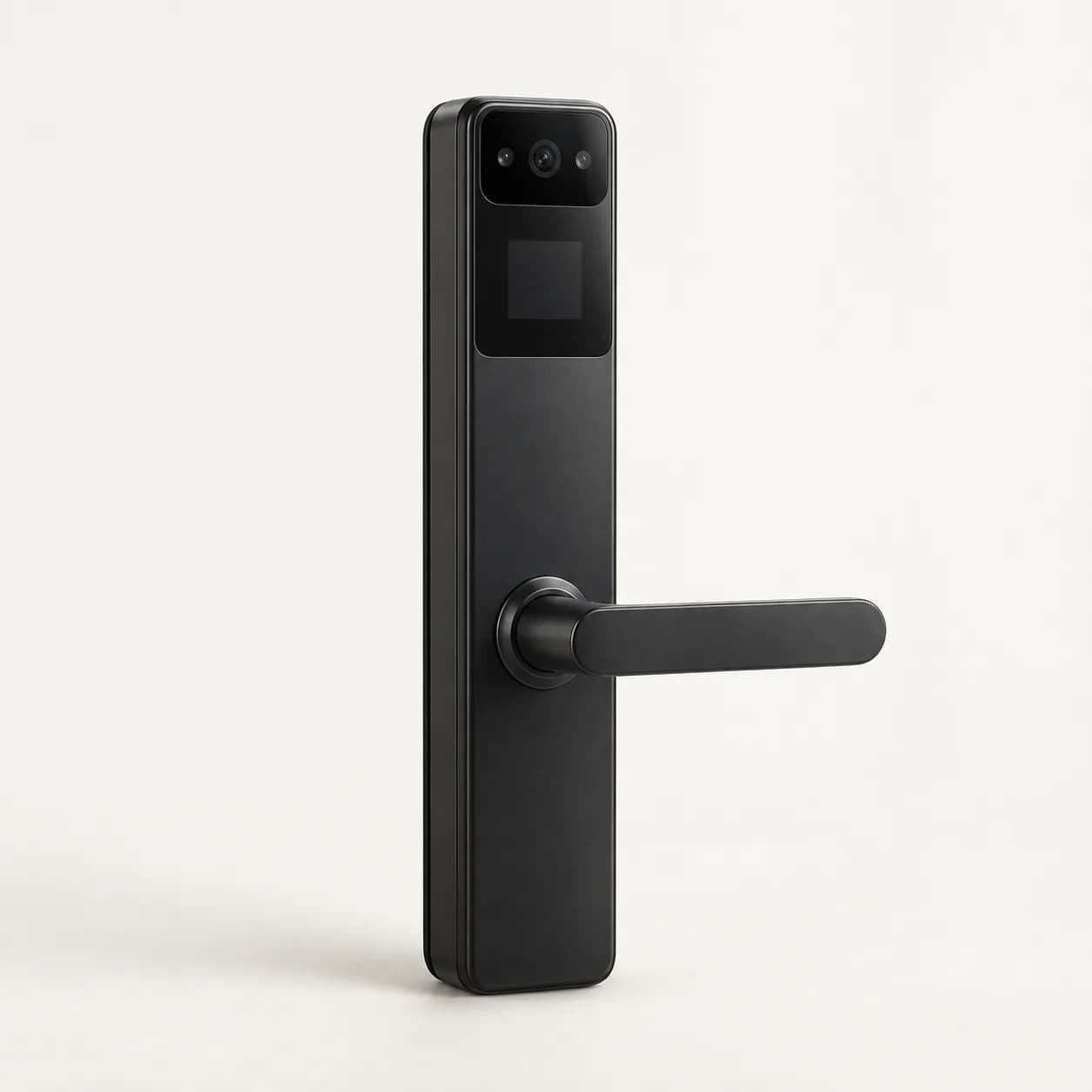
3D face recognition projects an invisible infrared pattern onto your face and builds a depth map. A photo cannot fool it, and it opens as you approach, even with your hands full.
Everyday use
Fingerprint is the only method where you have to touch the lock. With shopping bags, a pushchair or a baby in your arms, face recognition is noticeably easier. On the other hand, a fingerprint lock does not react to everyone walking past. It only works when touched, which makes it the calmer choice for a busy shared entrance.
Cyprus sun and door orientation
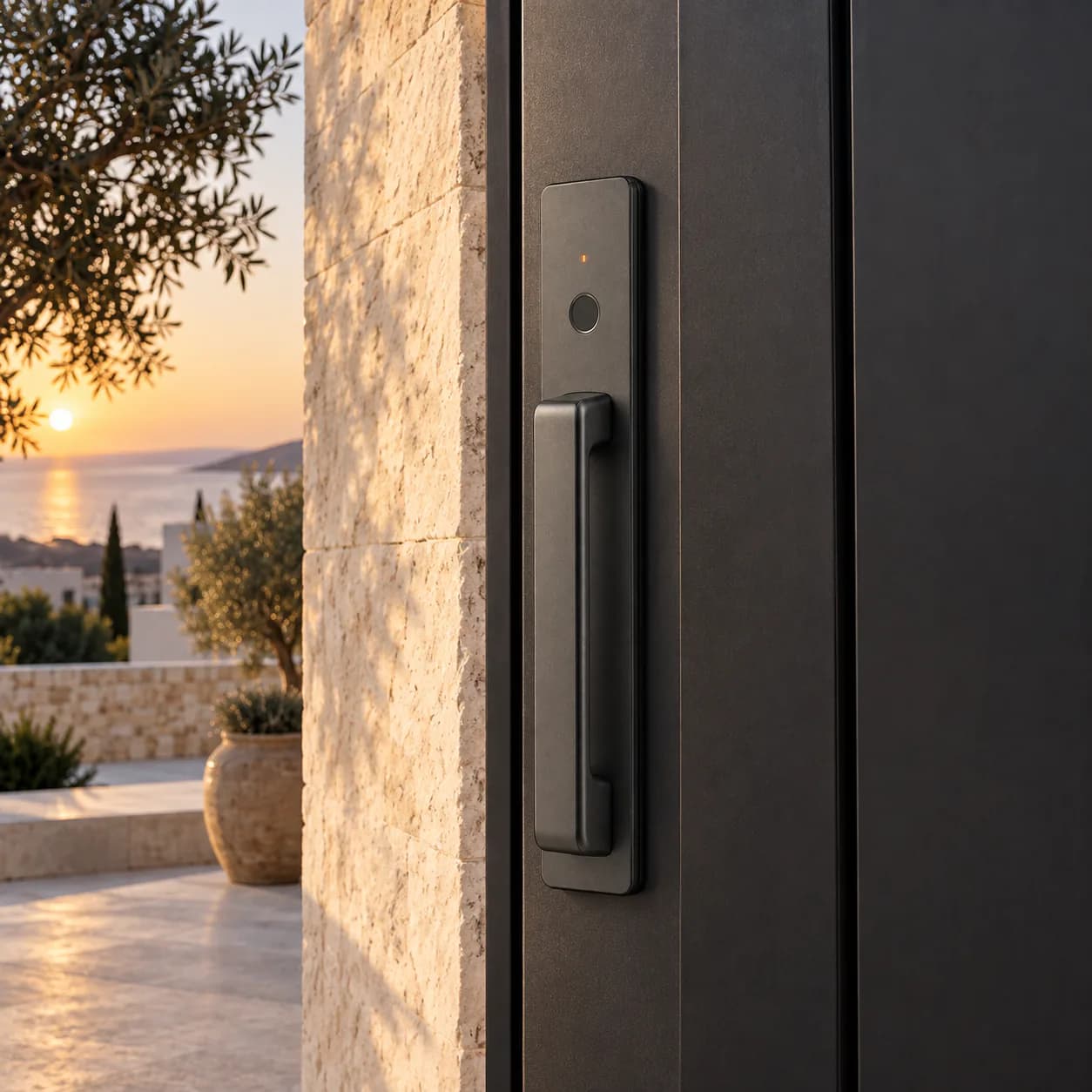
Infrared face sensors can struggle in strong direct sunlight. If your door faces full afternoon sun with no overhang, test it in the showroom or on site before buying. Fingerprint sensors are not affected by sunlight, although a metal surface can get very hot in midsummer.
Who lives in the house?
- Children: fingerprint enrolment usually works well from about 6 or 7 years old, but it is worth re-enrolling once a year as fingers grow. Face recognition also works with children, the camera angle decides the height range.
- Older adults: fingerprints get fainter with age. If dry or worn fingers make reading difficult, face recognition is the easier option.
- Manual work: people working in construction, gardening or kitchens often have damaged fingerprints. In these homes, face recognition or a code backup is a must.
Batteries and care
A fingerprint lock runs about 12 months on 4 AA batteries. Face recognition locks use more power for the camera and screen, so they come with large rechargeable batteries that need charging every few months. With both types, a USB-C emergency input or a mechanical key opens the door when the battery is flat.
Privacy
Biometric data is sensitive. Ask where the templates are stored. Prefer models that keep fingerprint and face templates inside the lock rather than in the cloud.
Budget
Within the same brand, a face recognition model costs roughly one and a half to two times the fingerprint model. In return you get extras such as a video doorbell, an indoor screen and night vision.
Our advice
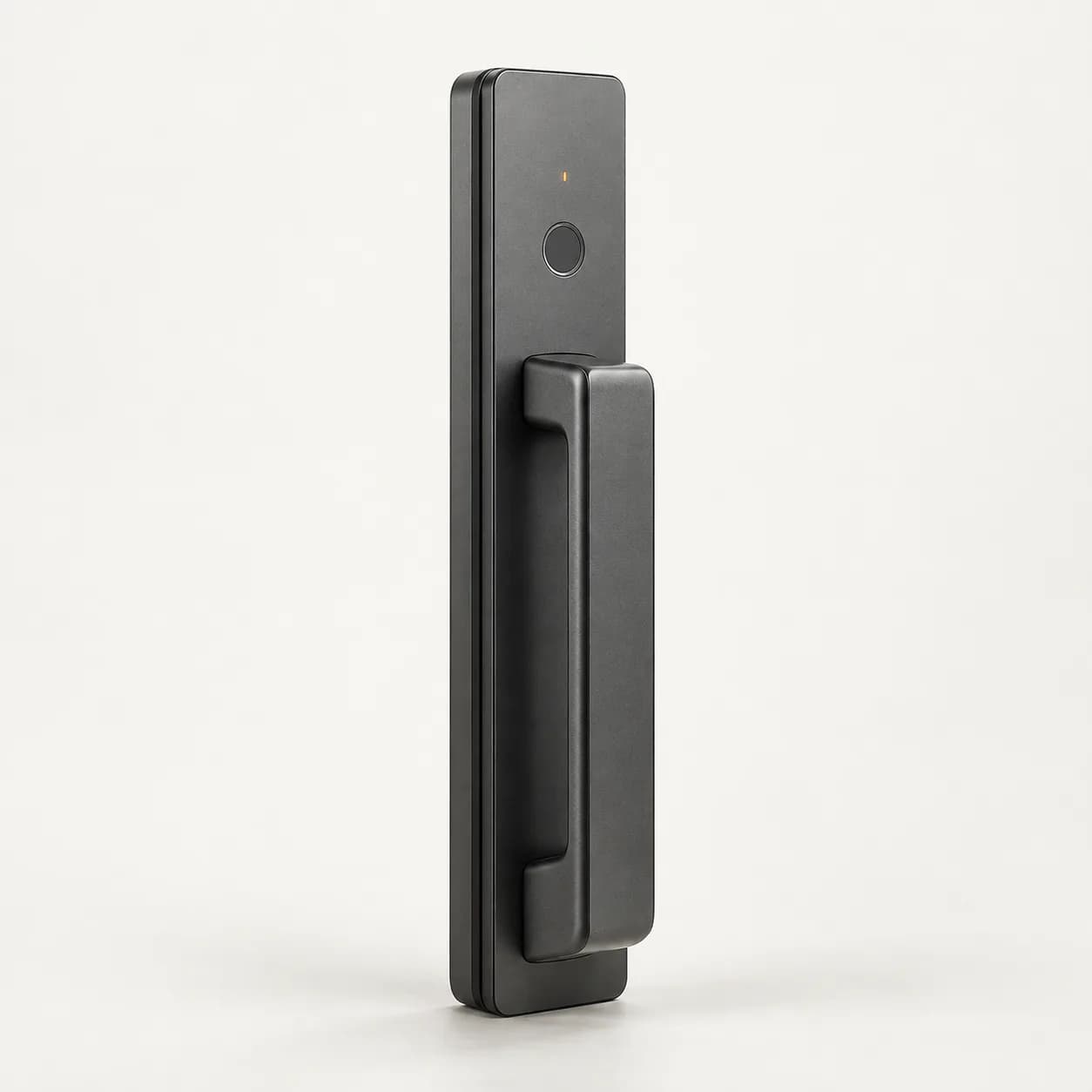
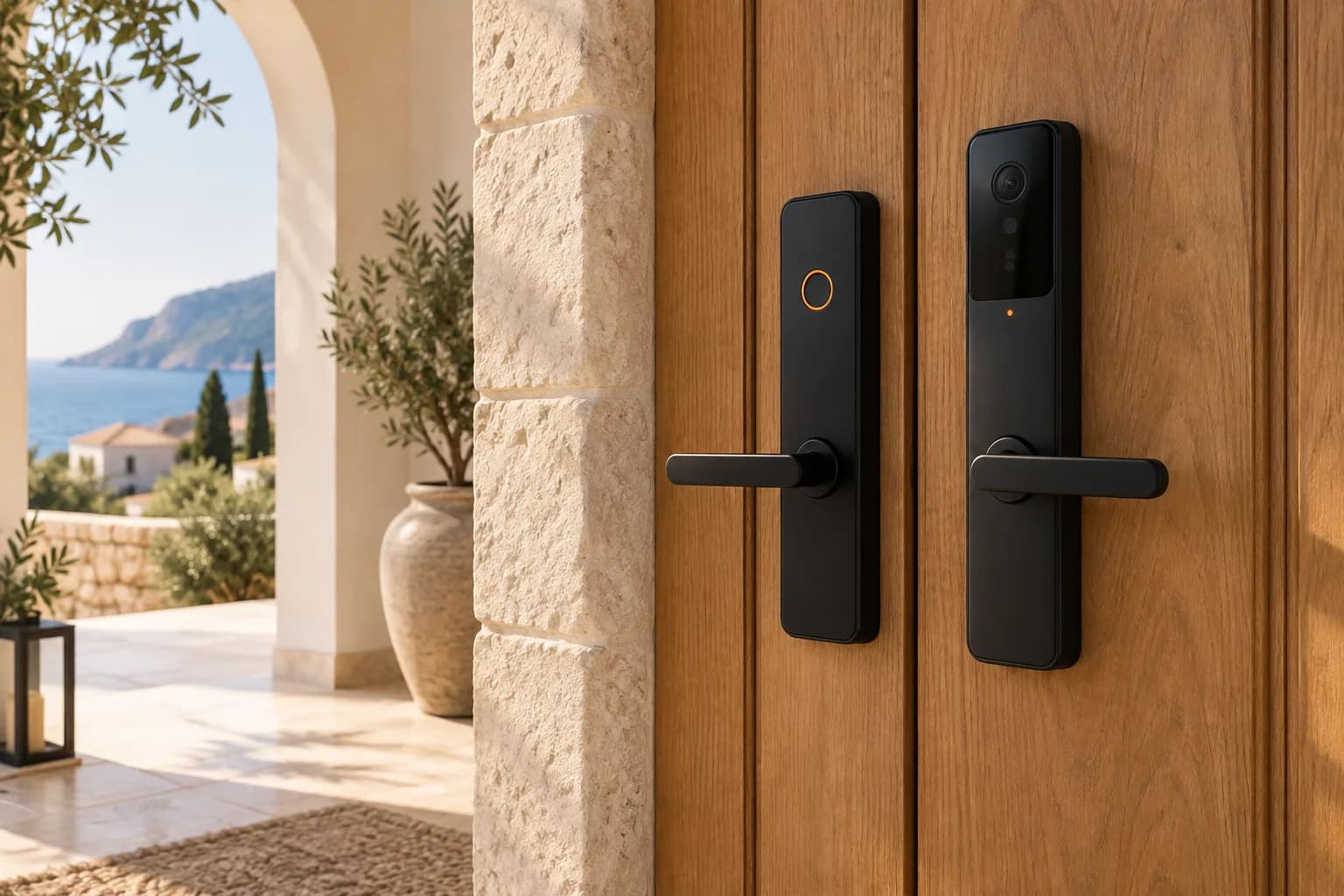
For a single entrance and one simple decision: the Keyva F1, which combines fingerprint, code and card, is enough for most families. If you want to see who is at the door and open it with your hands full, the Keyva Face X makes a real difference. Still unsure? Send us a photo of your door on WhatsApp and we will pick the right model together.